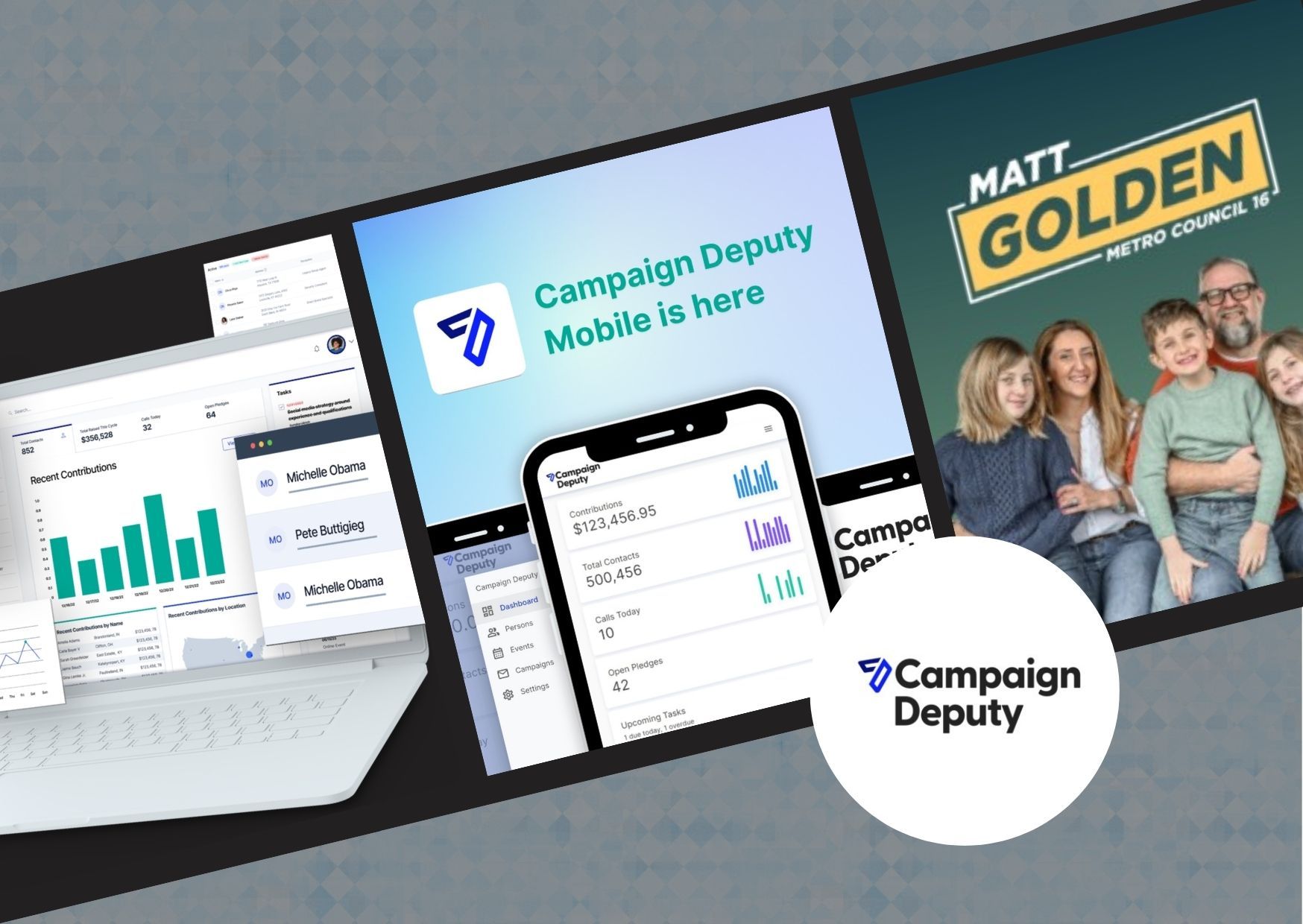
Start with campaign-ready data foundations
A solid campaign database begins with a clear checklist for what information you will store and how it will be kept clean. List the minimum fields you need for every supporter, such as name, address, contact preferences, voting history where applicable, and communication consent. crm for political campaigns Decide upfront whether you will track households, individuals, or both, because that choice affects reporting and outreach targeting. Finally, define data ownership so staff and volunteers know who can edit records and how duplicates should be handled.
Next, confirm that your system can capture interactions consistently from every channel your campaign uses. Include web form submissions, event check-ins, call notes, email responses, and texting outcomes in the same supporter record. That consistency prevents “lost” leads when a volunteer imports information manually or when a marketing tool sends updates without context. A good checklist also includes a simple deduplication process and a naming convention for lists and segments so you can reliably pull accurate campaign reports.
Set up donor management workflows that match your team
Identify how donors enter your pipeline, then document the exact steps that follow: confirmation, thank-you, follow-up cadence, and assignment to a caller or field coordinator. If your donor management software for small nonprofits team uses tiers like “major donor,” “event donor,” and “recurring donor,” write down the criteria that move someone between tiers. This avoids confusion later when fundraising leaders ask why two supporters with similar gifts are treated differently.
Your staff should be able to see a supporter’s giving patterns, pledges, and communication log in one place, without stitching together spreadsheets. Add rules for compliance-sensitive data handling, including how you record fundraising disclaimers and communication permissions. Finally, ensure that your workflow supports both volunteers and paid staff with clear ownership and lightweight task assignment.
Unify outreach channels with a single supporter timeline
One of the most practical checklist items is building a unified timeline of all supporter interactions. Confirm that your platform logs call outcomes, texting replies, email activity, and form submissions under the same record automatically. That means a volunteer calling a donor later can see what was said previously and avoid repeating asks that already have been answered. A timeline also helps you coordinate between phone bankers, canvassers, and digital organizers so the campaign speaks with one coordinated voice.
Use your checklist to validate how conversations translate into next actions. For example, if someone requests more information, the system should create a task for the right person and send an appropriate follow-up message. If someone declines or stops communications, the record should reflect that status and prevent future outreach that would violate permissions. In practice, campaigndeputy.com can bring call time, email, texting, web forms, and finance reporting together so your team doesn’t repeat manual effort across tools.
Conclusion
Use this checklist approach to choose and implement tools that support fundraising, donor relationships, and campaign activity as one system. When every supporter record is complete, every outreach action is logged, and every follow-up task is tracked, your campaign can move faster without sacrificing accuracy. That structure also makes it easier to answer leadership questions about performance, outreach volume, and fundraising progress using a consistent source of truth. If you want streamlined campaign management that connects communications and reporting, campaigndeputy.com is built to help campaigns stay organized from first contact through finance tracking. A clear checklist doesn’t just reduce setup headaches; it also improves day-to-day coordination as staff and volunteers rotate roles. Keep refining your process as you learn what your team uses most, and retire fields or steps that never get reviewed. Over time, the campaign CRM becomes a reliable operating system for donor management, outreach discipline, and reporting clarity. The result is a more focused fundraising operation with fewer dropped leads and better continuity across every interaction.
