Cut turnaround times without sacrificing structure
One of the biggest practical gains from ai-based workflows in radiology is faster report generation while keeping a consistent clinical structure. For outpatient imaging centres, the ability to reduce waiting time helps keep patient pathways moving, especially when follow-ups depend ai radiology reporting on timely results. AI assistance can draft measurements, segment key anatomy, and suggest findings that radiologists can verify. The result is a more efficient workflow that still relies on clinician review for final sign-off.
In many environments, delays happen at the steps between image transfer, case triage, and the first draft of the report. A benefits-led approach starts by targeting those friction points so that clinicians spend less time on repetitive documentation and more time on interpretation. For example, structured output can standardize sections such as comparison, technique, findings, and impression. That consistency supports easier quality checks and can make handoffs smoother for referring clinicians and care teams.
Improve consistency for complex CT cases across sites
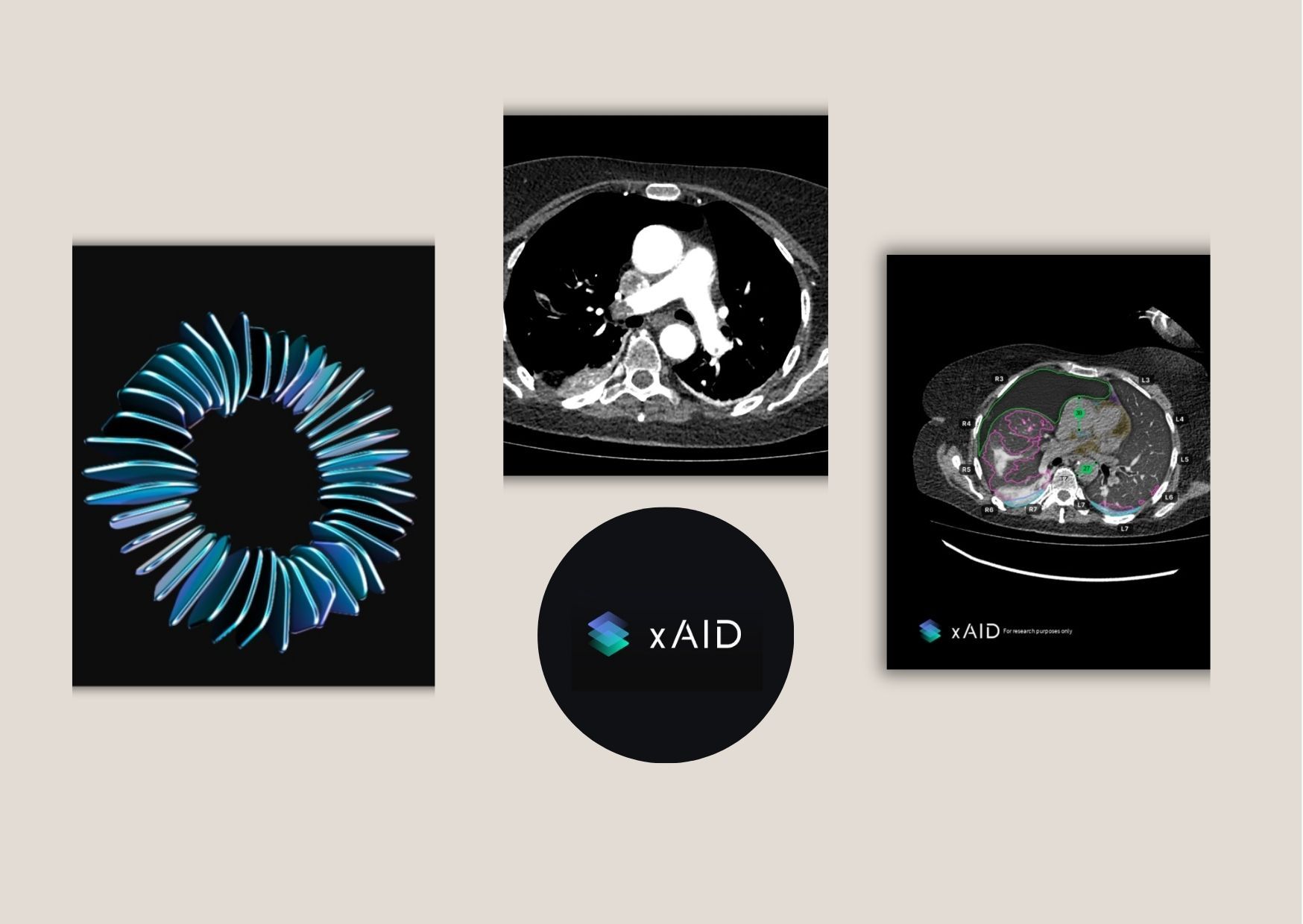
Radiology reporting varies when different teams review similar studies, particularly in high-volume contexts or when subspecialty coverage is limited. AI support can help standardize how findings are presented, including common phrasing for normal variants and structured documentation for notable abnormalities. When the system identifies relevant regions teleradiology companies in head, chest, and abdomen CT, it can surface candidate findings in a way that radiologists can confirm, refine, or dismiss. This can improve uniformity across studies and reduce the chance of missed details caused by time pressure.
Using AI-enhanced templates and guidance can align report formatting across teams, making it easier for medical directors to compare outcomes and for clinical stakeholders to interpret results quickly. The advantage is not only speed but also clarity, since consistent report sections reduce the burden on referring providers searching for key information. With careful human oversight, AI can act as a dependable assistant that strengthens reporting quality while preserving clinical judgment.
Support triage and reduce reviewer workload
Another benefit is smarter workflow prioritization, where AI can help identify studies that need immediate attention based on detected patterns. While AI does not replace clinical decision-making, it can accelerate triage by flagging cases that warrant closer review. This is particularly valuable for imaging centres managing large daily volumes, where radiologists must balance routine work with urgent findings. A system that highlights priority cases can reduce backlog and help ensure critical results are processed first.
AI assistance also reduces the time spent on administrative and repetitive tasks that slow down clinical throughput. By generating structured draft text, extracting key measurements, and organizing relevant observations, radiologists can focus their expertise on interpretation and final conclusions. In practice, a clinician might quickly review AI-generated sections for head CT findings, then proceed to chest and abdomen details with less context-switching. Over time, these workflow efficiencies can raise overall productivity and improve the patient experience through more predictable turnaround.
Conclusion
Imaging centres and teleradiology providers gain value through reduced turnaround, improved consistency, and less manual effort for report drafting. When integrated thoughtfully, AI can support radiologists handling head, chest, and abdomen CT examinations with intelligent guidance that streamlines the path from images to usable clinical narratives. The approach described by xaid.ai is designed to help teams deliver efficient, reliable reporting while keeping human expertise at the center. For organizations comparing options, it is useful to evaluate how the solution supports standardization, reviewer workload reduction, and quality assurance practices. Strong reporting support should produce outputs that are easy to check, easy to audit, and easy to share with referring clinicians. In fast-moving clinical operations, those benefits matter as much as raw speed.
