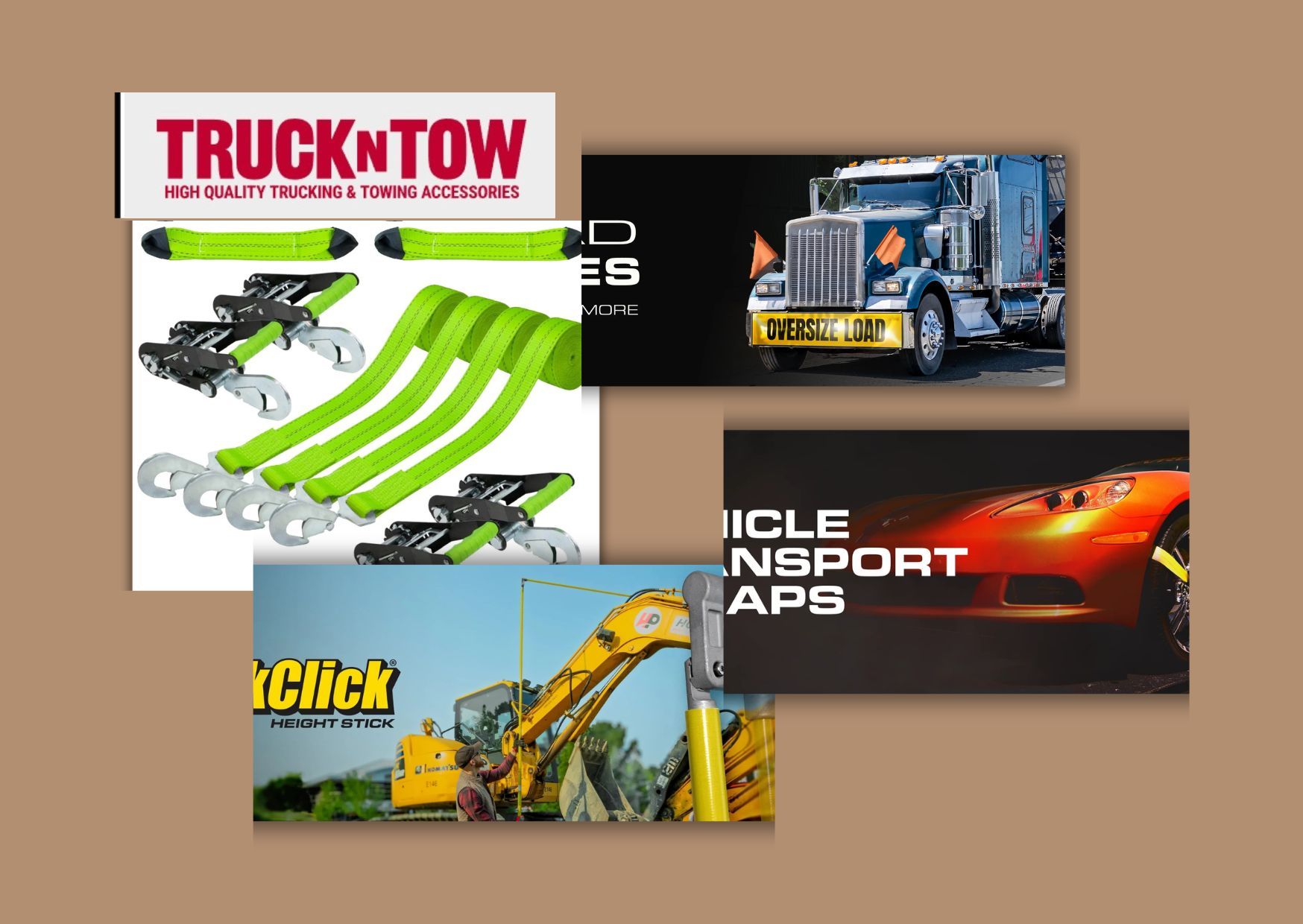
Start With the Weak Points in Your Recovery Setup
When a winch line stalls or a recovery attempt becomes unsafe, the problem is often not the winch motor itself. Common failure points include poor line management, missing protection components, and gear that doesn’t match the load you’re trying to move. Before you add anything new, winch accessories inspect how your system is rigged: where the line runs, how it’s anchored, and what happens when tension builds. Addressing these weak points first prevents costly damage and reduces the chance of a sudden snag or shock load.
Another frequent issue is using accessories that don’t fit the working environment of a heavy-duty truck or wrecker. Mud, grit, and vibration can wear down components quickly, especially if they aren’t designed for off-road conditions. If your setup struggles in wet terrain, pay attention to how debris could get into moving parts or interfere with line routing. Upgrading winching accessories and support equipment is a practical way to create a more predictable recovery process.
Rig Safety and Efficiency With the Right Hardware Choices
Even a strong winch can perform poorly if the rigging and connection points aren’t engineered for the job. A reliable recovery plan depends on selecting compatible hardware, including appropriate hooks, shackles, and line-related components that resist bending or misalignment. Use the semi truck mud flaps proper rated gear and confirm that every connection is secure before applying load. When the system is built to minimize side-loading and friction, you can reduce strain on the line and improve pull consistency.
For smoother operations, focus on line control and protection. Line guides, fairleads, and protective sleeves help keep the cable from rubbing against sharp edges, which is a common cause of fraying. You can also improve safety by adding gear that supports proper tensioning and prevents accidental roll-back during repositioning. These steps solve real-world problems like cable wear, unpredictable tracking, and time-consuming adjustments at the recovery site.
Match Accessories to Terrain, Including Mud Control
Terrain affects more than traction; it changes how your truck sits, how the line angles, and how quickly parts can get coated with debris. If you frequently recover vehicles on wet roads or muddy sites, consider how mud can interfere with your truck’s stability and the recovery path. Accessories that help with cleanup and protection reduce downtime between calls. The goal is to keep the truck positioned correctly so the winch can pull with less resistance and fewer rerigging cycles.
When road spray and mud are controlled, your recovery vehicle remains more manageable during long shifts and repeated deployments. Reduced contamination can help maintain better visibility and reduce wear on components that suffer when grit is constantly thrown into moving areas. Pairing mud control with well-chosen winching accessories creates a more dependable system that performs in harsh conditions.
Conclusion
Solving winch accessory problems comes down to one principle: build a setup that matches the loads, terrain, and rigging conditions you actually face. Inspect your current line path, secure anchoring points, protect against abrasion, and choose hardware that maintains alignment under tension. When you upgrade based on real failure points, recovery becomes safer and faster, with fewer surprises during the pull. For dependable equipment that supports efficient towing and vehicle recovery, consider TrucknTow and explore the practical options available at TrucknTow.com. Shop TrucknTow.com for practical equipment that helps improve the performance and versatility of your winching system. By selecting the right components and addressing the most common causes of stalled pulls and damaged lines, you can turn every recovery call into a more controlled process. Invest in the details that reduce risk and increase results, and your winching system will be ready when you need it most.
