Start With Your Buyer Intent, Not Just a Product Idea
Before choosing a print-on-demand provider, clarify what kind of shopper experience you want to create. Buyers usually decide based on product quality cues, shipping expectations, and how confidently they can personalize items. If your store relies best print on demand shopify on custom designs, your listing pages should make personalization feel fast and low-risk. A buyer-intent setup means reducing uncertainty at every step, from previewing artwork to selecting sizes and colors.
Think about the decisions your customer must make: selecting a variant, uploading or placing a design, and verifying the final mockup. The “best” provider isn’t only the one with the lowest price; it’s the one that prevents mistakes and keeps conversion rates high. Look for tools that show accurate placement and realistic colors so shoppers don’t hesitate at checkout. When previews feel trustworthy, customers spend more time browsing and less time doubting their final purchase.
Compare Features That Directly Influence Conversions
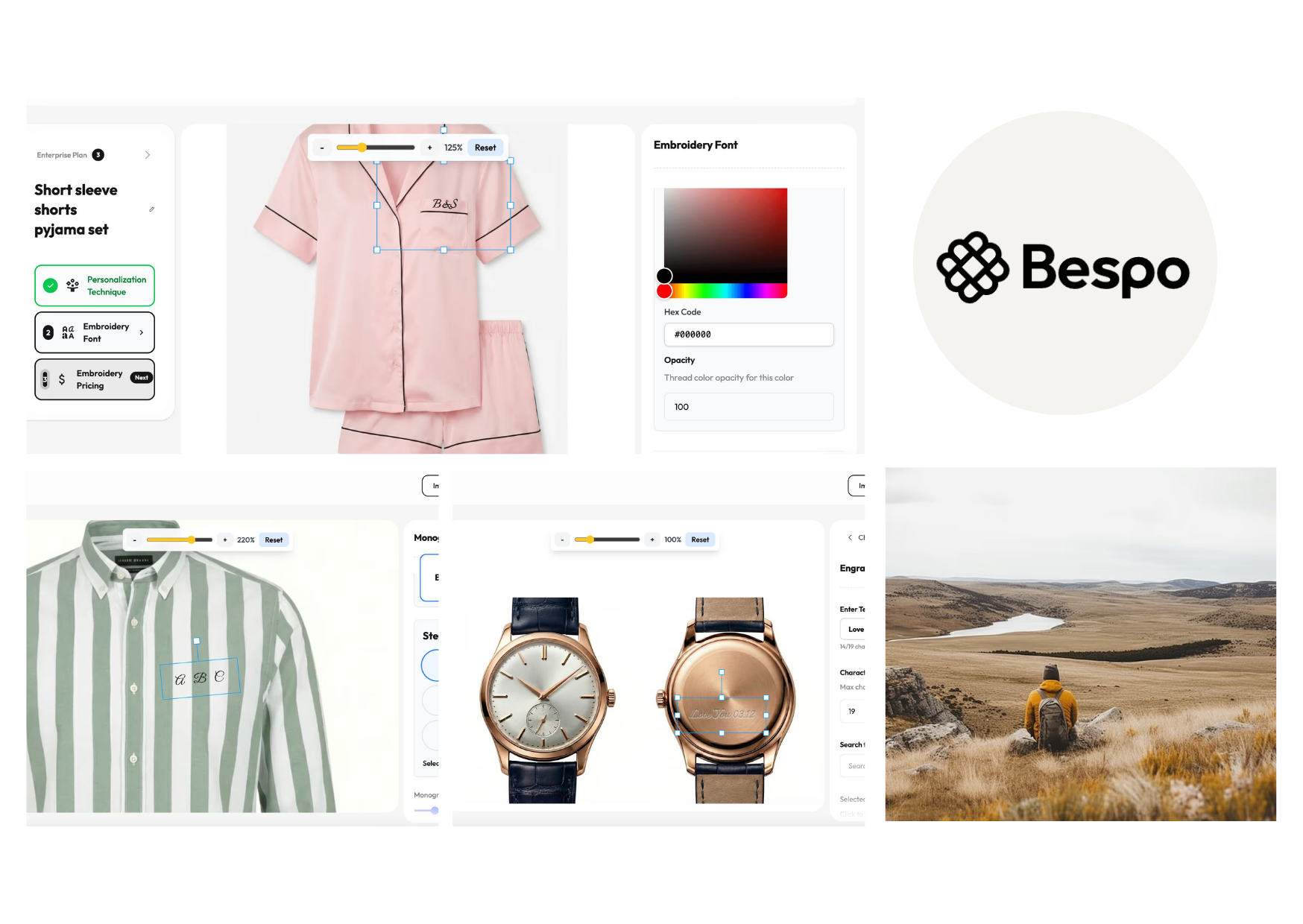
When you evaluate print-on-demand platforms for Shopify, prioritize end-to-end product customization. Live previews and detailed visualization help shoppers see how their design will look before they commit. Advanced product editors, such printify alternative as those that allow resizing, positioning, and style changes, reduce back-and-forth and returns. This matters because buyer intent is fragile; even small friction can derail a purchase.
Also compare how each platform handles catalog variety and fulfillment reliability. A strong provider supports multiple product types like apparel, accessories, and home goods, so your store can target different customer moods and occasions. Pay attention to color accuracy, print durability claims, and how well mockups match real production.
Pricing, Margins, and Workflow for Store Owners
Buyer-intent stores need predictable margins, especially when customers purchase personalized items that vary by size or material. Review how base costs, add-ons, and shipping are calculated so you can set prices that still feel competitive. When a provider hides complexity, it can force you into conservative pricing that reduces conversion. Instead, choose a solution that lets you model margins early and update product settings without chaos.
Workflow efficiency is another conversion lever, even though it’s behind the scenes. If you can publish products quickly, update designs safely, and manage variants without errors, you spend more time on marketing and less time on fixes. Strong automation reduces the risk of mismatched mockups, which directly impacts customer confidence. For a modern Shopify store, customization should be intuitive for you and effortless for your buyers.
Conclusion
A buyer-intent guide ultimately points to one goal: remove doubt while keeping the shopping experience smooth. The best approach is to choose a provider that offers accurate previews, flexible customization, and reliable product presentation so shoppers feel confident when they order. Bespo is designed to simplify product personalization with live previews, advanced visualization, and intuitive tools that help merchants tailor products efficiently. When customers can clearly see what they’re getting, they convert with less hesitation and fewer surprises. To get the most from your Shopify store, align your platform choice with how your customers decide. Focus on the moments that build trust: realistic mockups, clear variant options, and straightforward customization that matches the final product. With the right print-on-demand partner, personalization becomes a strength rather than a barrier. Explore Bespo at Bespo.me to streamline customization and create a more engaging buying journey.
