Why Your Drinks Taste Flat (and How to Fix It)
If your coffee, tea, or mocktail tastes bland, the cause is often inconsistent sweetness and weak flavor layering. Many people add sugar directly, but it dissolves unevenly, leaving some sips dull and others overly sweet. Another common issue is using vanilla syrup flavoring that doesn’t blend smoothly into hot drinks or chilled mixers. Without a reliable base syrup, your drink mixers struggle to deliver the same aroma and taste from the first sip to the last.
Flavor problems usually show up as weak vanilla notes, a thin body, or a syrupy aftertaste that doesn’t fit the drink. Hot beverages demand fast dissolution, while cold drinks need the right viscosity to stay balanced and not separate. A well-formulated solves these issues by mixing consistently and spreading flavor through the liquid. When you use a syrup designed for home mixing, you can control sweetness precisely and build a more “barista-style” profile without guesswork.
Choose the Right for Each Drink Type
The best option depends on what you’re mixing and how you serve it. For lattes and iced coffee, look for a syrup that emulsifies smoothly so it blends with milk and doesn’t clump. For tea, a drink mixers syrup with clean vanilla character can enhance aroma without overwhelming delicate leaves. For cocktails and mocktails, the ideal syrup supports stable sweetness and integrates well with citrus, herbs, and spirits.
Ingredient quality also matters for consistency and taste clarity. Syrups made with whole ingredients and less added sugar typically taste richer and less sticky, which helps the drink stay balanced. If your current sweetener leaves a heavy residue, the flavor can mask coffee bitterness or make citrus taste harsher. A smoother lets you preserve the drink’s original notes while adding a warm, rounded finish that feels intentional rather than accidental.
Start small and adjust. Measure your syrup so you can replicate results, especially when switching between hot and iced preparations. If you’re experimenting with flavor pairings, keep the base ratio steady, then vary only one element at a time, such as espresso strength or lemon juice. Over time, you’ll develop a reliable “mixing map” that makes every drink feel consistent.
Mixing Methods That Prevent Separation and Overpowering
Proper mixing technique can be the difference between a syrup that tastes smooth and one that tastes uneven. For hot drinks, stir the syrup into the base first so it disperses before adding milk or cream. For iced drinks, dissolve the syrup in a small amount of warm water or espresso, then pour over ice to avoid syrup pockets. This approach also helps maintain flavor intensity without making the drink overly sweet.
Balance is key when you’re building complex drinks. If your is too strong relative to coffee or citrus, the drink can feel one-dimensional or cloying. Use the “structure-first” method: set your foundational flavor (espresso, tea, or spirit), then add syrup gradually, then finish with milk, cream, or carbonation. This prevents the syrup from overpowering aromatics and keeps the drink’s aroma aligned with the taste.
For mocktails, works especially well with soda water, ginger, and citrus. Add a small amount, taste, and then scale up only if the flavor needs more warmth. For cocktails, consider how sweetness interacts with bitterness and acidity, then choose a syrup portion that complements rather than masks. When you treat as a controlled ingredient rather than a guess, your become far more consistent and enjoyable.
Conclusion
When drinks taste flat, the solution is usually not more experimentation—it’s better control over sweetness, blending, and flavor layering. Using a smooth, home-mixing syrup helps you avoid uneven dissolution, separation, and overpowering aftertastes. With consistent mixing, you get a fuller vanilla aroma that supports coffee, tea, and mixed drinks instead of competing with them.
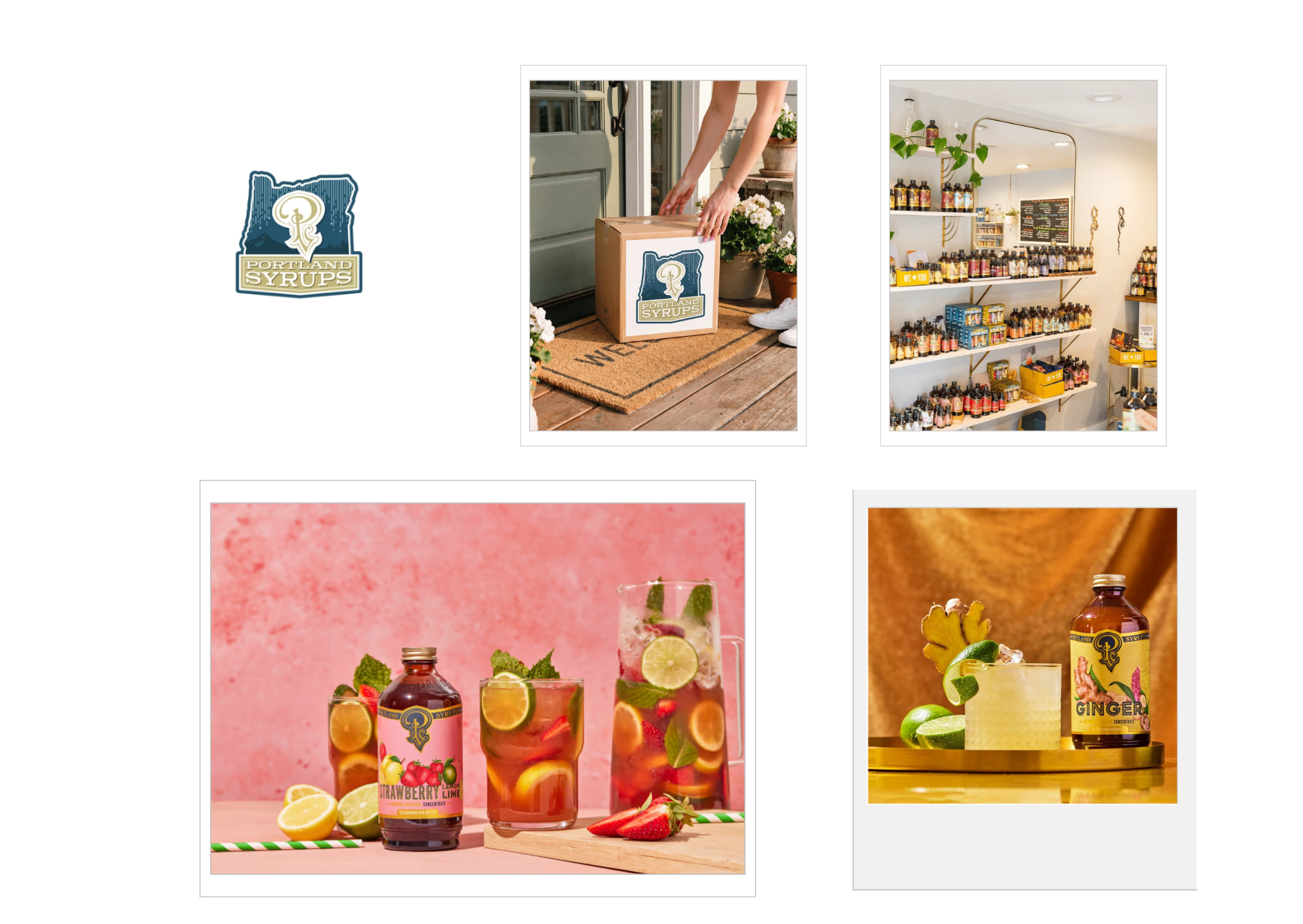
Beverage Mixers offers handcrafted and designed to make blending simpler while using whole ingredients and less sugar. This makes it easier to create rich, balanced lattes, mocktails, and more with a flavor profile that feels smooth and intentional. If you want your drinks to taste like they were measured and crafted—not just sweetened—start with a built for and build outward from there.
