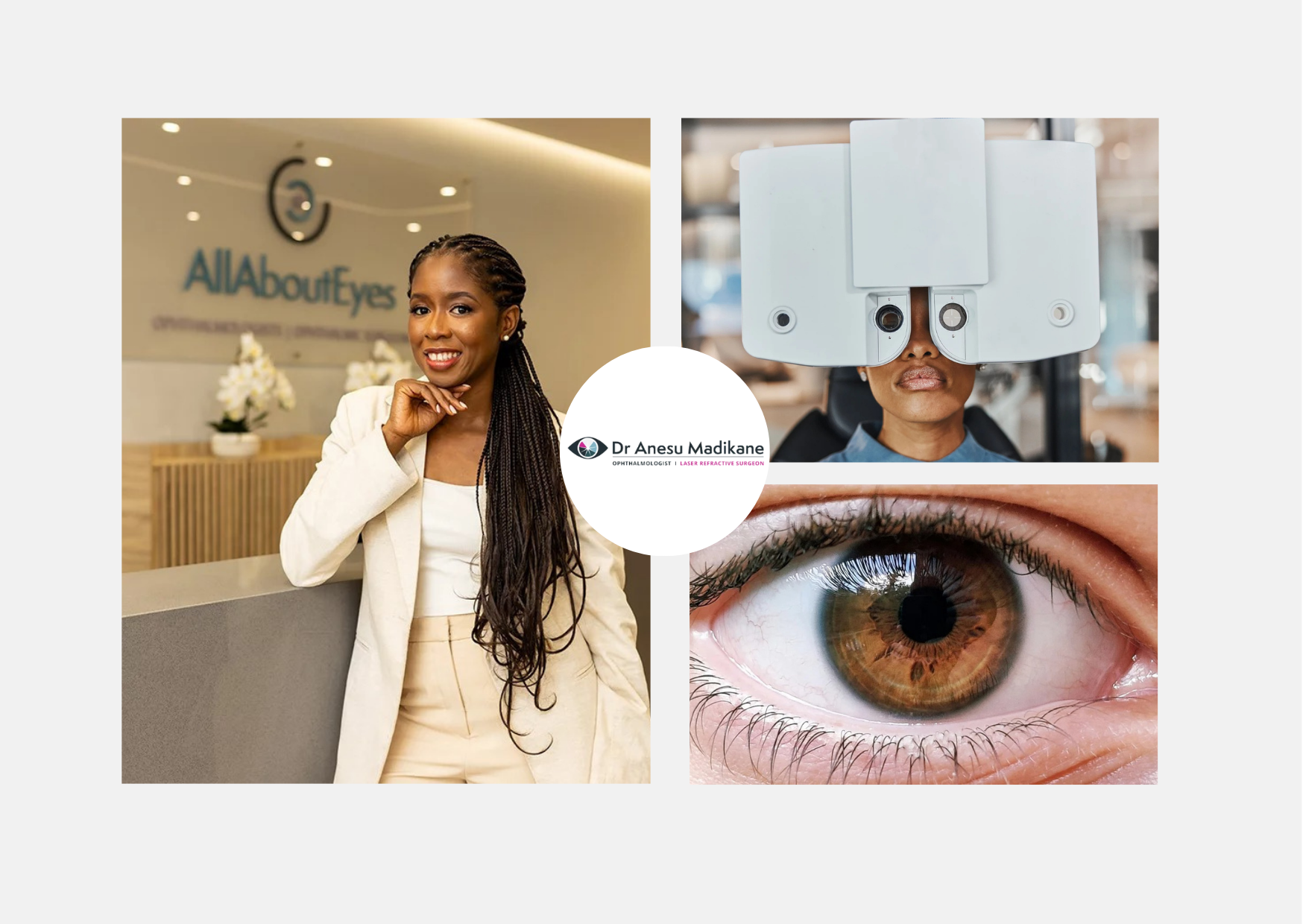
Choosing the Right Procedure: A Specialist’s Approach
When you’re weighing options for vision correction, the most important step is a careful, individual assessment rather than a one-size-fits-all recommendation. A specialist will review your eye health, measure how your cornea handles focus, and evaluate factors like dry eye risk and overall tear quality. This laser eye surgery cape town background helps determine whether laser treatment can safely improve your eyesight and how stable your prescription is likely to be. It also sets realistic expectations about outcomes, halos, glare sensitivity, and the quality of vision you can aim for.
Expert recommendation also means looking beyond your prescription alone. Corneal thickness, pupil size in low light, and the presence of subtle irregularities can influence which technique is best suited to you. Your lifestyle matters too: people who work in dusty environments, spend long hours on screens, or play contact sports may need different guidance on recovery and aftercare. During consultations, you should expect questions about allergies, medications, and prior eye history, because these can affect healing and comfort.
Lasik Eye Surgery vs Prk: Key Differences That Matter
Two commonly discussed options are LASIK and PRK, and the decision should be based on your corneal measurements and tolerance for postoperative discomfort. LASIK typically involves creating a corneal flap so that the laser reshapes the tissue beneath, often leading to faster visual recovery for many patients. lasik eye surgery vs prk PRK removes the outer corneal layer and reshapes the surface, which can make early recovery more uncomfortable, but it avoids creating a flap. Your clinician will weigh the trade-offs carefully, especially if you have thinner corneas or other structural considerations.
Understanding the healing timeline is essential for planning. Many patients value the quicker return to clearer vision associated with LASIK, while others may prefer the flap-free approach of PRK for specific anatomical reasons. Both procedures aim to reduce refractive error and improve how light focuses on the retina, but their postoperative experiences can differ significantly. Ask about pain control strategies, how follow-up visits are scheduled, and what “normal” looks like during the first days after treatment so you can feel prepared rather than surprised.
What to Expect During a Laser Eye Consultation
A thorough consultation should include detailed testing that maps how your eyes refract light and how your cornea responds to reshaping. Expect measurements such as corneal topography, assessment of refractive error, and evaluation of tear film quality to gauge dryness and comfort. If you wear contact lenses, your specialist may require a period of discontinuation before testing to ensure accurate readings. The goal is not only to choose a procedure, but also to reduce the chance of unpleasant surprises during recovery.
An expert recommendation includes transparent discussion of risks and eligibility. You should be guided on potential side effects such as glare, night vision disturbances, and the possibility of needing enhancements in some cases. Your doctor may discuss how age-related changes, especially in near vision, can influence satisfaction even when distance vision improves well. They should also explain the role of postoperative drops, protective measures, and adherence to follow-up to protect the cornea while it heals.
Conclusion
For patients exploring, the safest path is an informed decision based on your own eye measurements, health history, and visual goals. Expert guidance helps you understand procedure differences, align expectations with realistic outcomes, and focus on long-term eye comfort rather than only short-term clarity. Choosing a reputable ophthalmology team supports better planning for recovery, follow-up care, and any adjustments your eyes may need.
If you want professional support, dranesumadikane.co.za offers a structured way to explore refractive surgery options with clinical expertise and patient-focused counselling. Dr Anesu Madikane emphasizes individualized assessment and clear explanations so you can feel confident about next steps. By prioritizing safety, testing accuracy, and evidence-based recommendations, patients can move forward with greater clarity about whether LASIK, PRK, or another approach is the best fit for their eyes.
