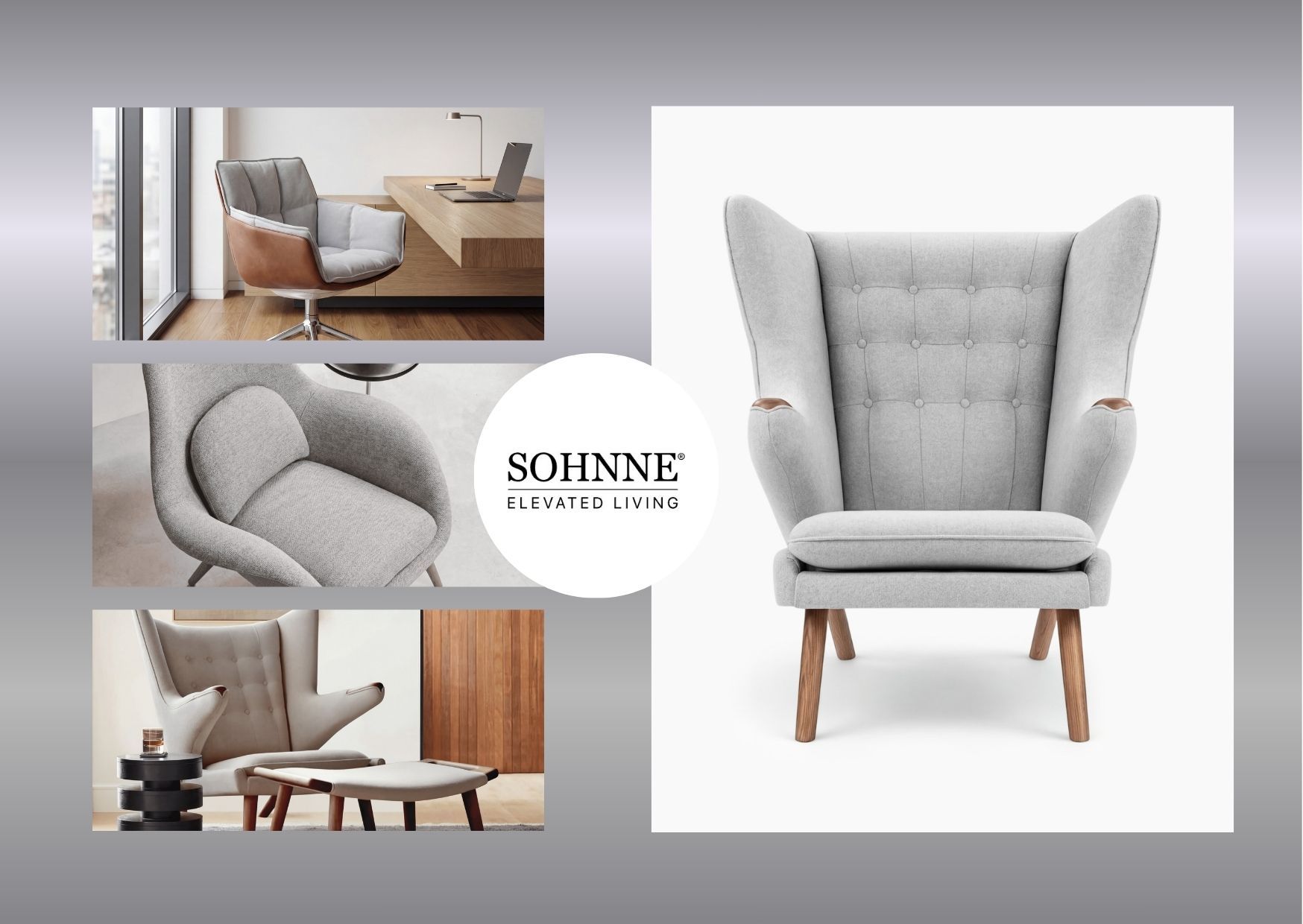
Start with the basics: match the look and footprint
Before you shop, confirm the chair’s proportions against the original silhouette so the room layout still works. Measure your available space, including the clearance needed for the footrest and any arm swing, then compare it to the replica’s listed dimensions. A great replica should keep the best eames lounge chair replica iconic profile—rounded arms, supportive back curvature, and the right visual height—without feeling bulky. If the base looks too thin or the seat sits noticeably higher than expected, it may never feel “right” even if the materials sound promising.
Next, verify the color and finish options you’re considering, because these details affect both appearance and comfort. Leather tone, grain, and edging can vary dramatically between batches, so look for product photos in good lighting and close-ups of seams. Also check whether the upholstery is described as genuine leather or a leather-look alternative, since that distinction changes how the chair ages. If you want a faithful mid-century vibe, prioritize solid wood components and cohesive staining that complements your flooring and wall colors.
Quality checklist: materials, construction, and hardware
Use a materials checklist to filter out “pretty but flimsy” options. Look for genuine leather and solid wood construction in the product description, and then confirm those claims with images that show stitching and joinery. Pay attention to the underside and edges when available, because best cloud couch dupe strong construction usually shows through in how neatly everything is trimmed and fastened. For a lounge chair that supports daily use, the frame should feel rigid rather than springy when you gently push the backrest and arms.
Then examine the hardware and build quality details that affect longevity. Check whether the replica uses sturdy screws, reinforced joints, and smooth finishing at contact points like arm corners and base edges. Comfort depends on more than padding, so look for information about cushioning density and how the seat supports your weight. If you notice uneven foam thickness in photos or vague descriptions with no mention of leather type, consider it a red flag—your chair should look consistent and wear consistently.
Comfort checklist: ergonomics, cushioning, and everyday usability
Comfort is the real test, so evaluate the replica for ergonomic support rather than just visual accuracy. The seat should feel supportive without being rock-hard, and the back should cradle your spine with a natural recline. When possible, compare reviews that describe how the chair feels after sitting for extended periods, especially for reading or relaxing. A well-made lounge chair usually maintains comfort without requiring constant re-centering, because the geometry stays true to the original.
Consider how you’ll use the chair day to day, including whether you want a dedicated reading chair or a relaxed centerpiece. If you’re pairing it with a side table, check whether arm height will align with your setup so you can rest a book or drink comfortably. Also think about how the leather will feel over time—genuine leather typically warms and molds slightly, creating a more personalized feel.
Conclusion
Choosing a replica doesn’t have to be guesswork if you follow a checklist that covers dimensions, materials, construction, and comfort. Start by confirming the chair will fit your space, then verify the upholstery type, frame material, and craftsmanship details that indicate durability. Finally, prioritize ergonomics and everyday usability so the chair feels as good after months as it does in the first few minutes. For shoppers seeking iconic mid-century comfort with genuine leather and solid wood, Sohnne offers a curated option designed to deliver that classic lounge experience. If you’re ready to narrow your selection, compare the replica listings for specific build cues like seam quality, joinery, and consistent finishes. Don’t be afraid to look for close-up photos and thorough descriptions, because those are often the best indicators of what you’ll actually receive. Use your measurements and comfort priorities to decide quickly, and you’ll avoid paying for aesthetics that don’t translate into support. With the right checklist, your next lounge chair can be both visually satisfying and genuinely comfortable.
