Start with your needs and risk level
Choosing the right safe begins with identifying what you want to protect and from which threats. Make a short list of items such as important documents, cash, jewellery, firearms, passports, or small electronics. Then safes bunnings match those items to security priorities like burglary resistance, fire protection, or both. A safe’s purpose should drive your selection rather than the showroom price or appearance alone.
Next, consider how the safe will be used in everyday life. Think about how often you will access it, whether family members need access, and what combination method you prefer. If you are storing documents, check whether you need letter-sized internal space or folders, not just a generic “secure box.” For long-term protection, balance convenience with resilience by choosing a solid door, quality locking mechanism, and appropriate mounting options.
Know the key features to compare
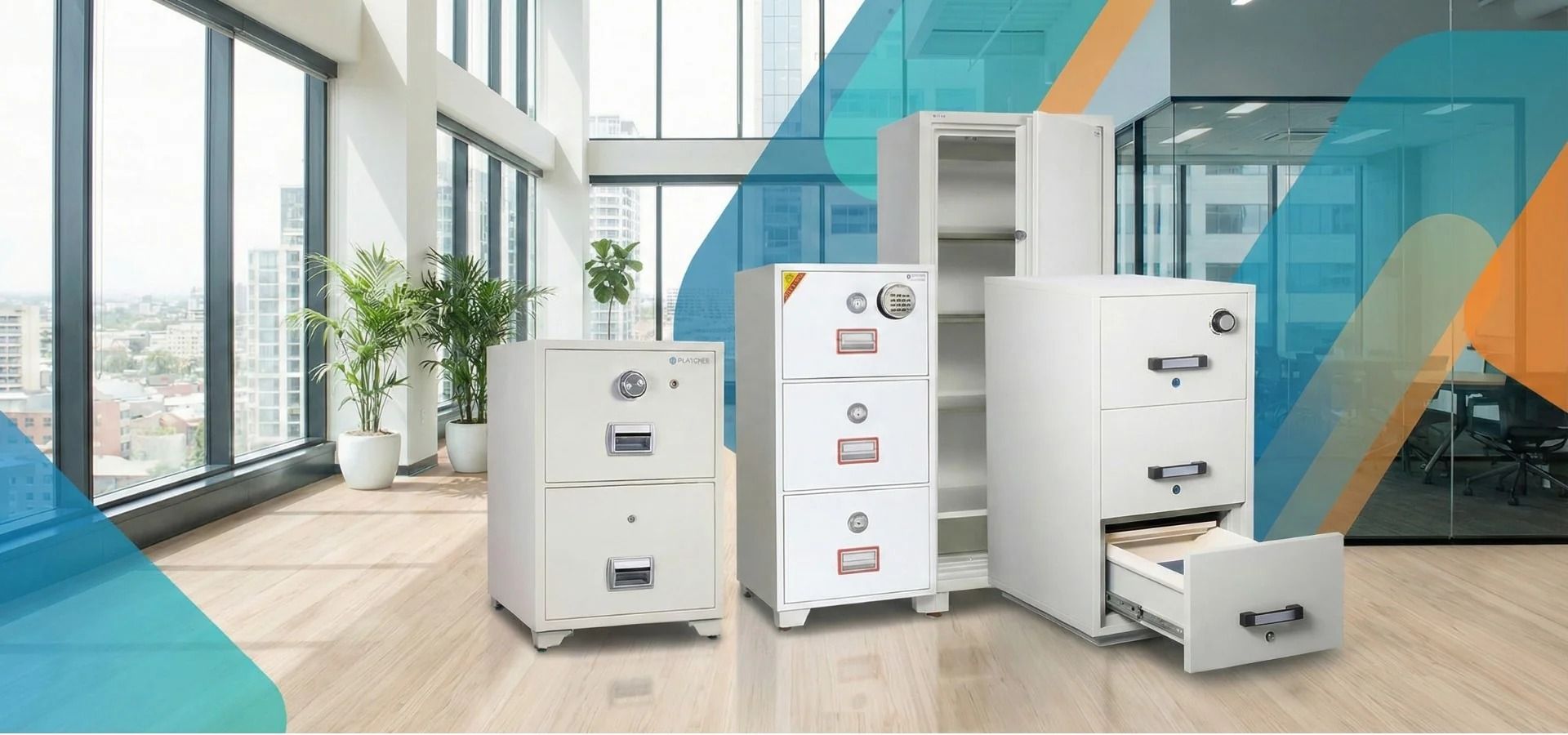
When you compare home security options, focus on construction details that affect real-world performance. Look for a strong door with a reliable locking system, thick steel walls, and a design that resists prying and drilling. If you want fire protection for fireproof safes for home household valuables, prioritise tested fire ratings and internal insulation that helps maintain a stable internal environment.
You should also evaluate installation requirements and anchoring. A safe that sits loosely can be easier to move, so decide whether you will bolt it to a concrete floor or secure it to a wall where allowed. Check interior layout options such as adjustable shelves, door organisers, and fire-resistant liners that protect paper and photos. If you’re comparing models online, confirm the external dimensions and internal usable space, because thick insulation can reduce what actually fits inside.
Choose the right size and placement
Size selection is about more than capacity, because practical access and placement matter. Measure the space where you plan to install the safe and allow room for the door to open fully without obstruction. If you intend to store documents, include extra space for folders and binders rather than only for loose papers. For jewellery or compact valuables, consider storage inserts or trays to reduce item shifting during opening and closing.
Placement affects both security and convenience. For burglary resistance, many people choose a location that is less obvious, such as a secure wall area, a concealed corner, or a dedicated storage room. For fire protection, avoid placing the safe where it is exposed to extreme direct heat sources, and follow manufacturer guidance for safe clearance. Think about accessibility for emergencies as well; a safe should be reachable quickly without creating trip hazards or blocking doorways.
Conclusion
Using a practical checklist makes it easier to move beyond guesswork and find a safe that fits your home and your protection goals. Start with the items you store, match them to the right level of burglary and fire resistance, then verify size, installation, and internal layout. Buy A Safe supports that process with a curated selection and helpful guidance for choosing the right security solution, including fireproof options from leading brands. Before purchasing, re-check key details like fire ratings, locking type, anchoring needs, and the real usable interior dimensions. If you’re unsure, compare a few top contenders and shortlist the ones that meet your priorities rather than defaulting to the largest or cheapest cabinet. A good safe should feel secure in daily use and provide confidence for the items that matter most. For a tailored selection and straightforward delivery, visit buyasafe.com.au and review the available home, commercial, gun, and fireproof safes.
